Skip to Main Content Skip to Footer Content
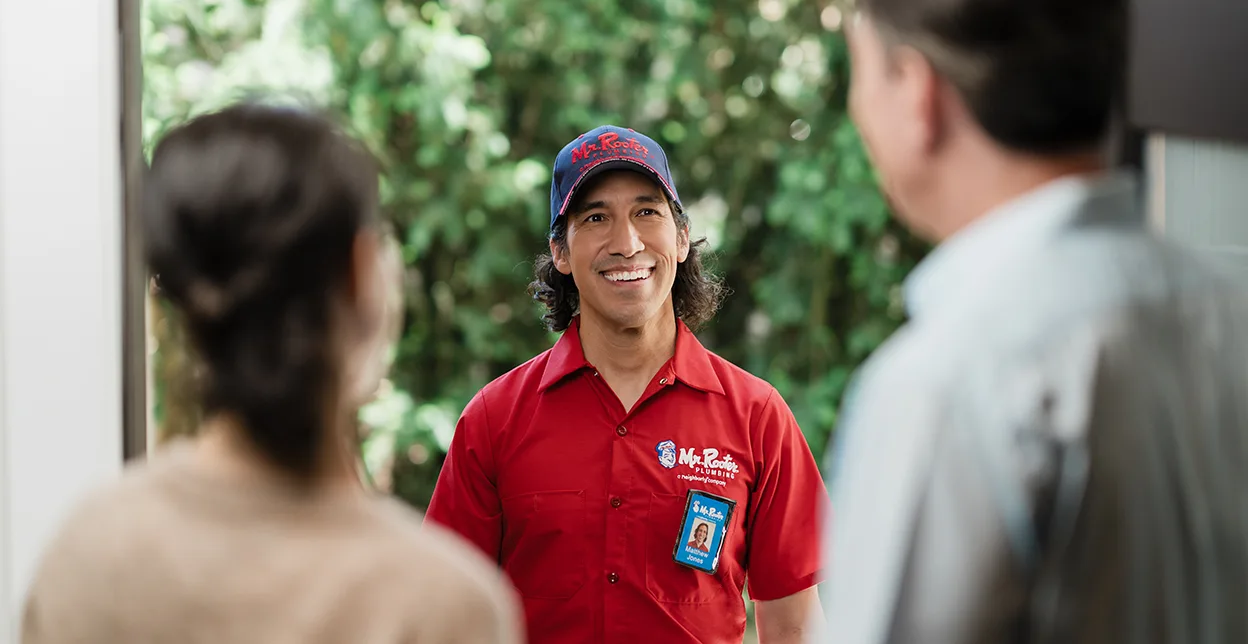
Smiling Mr. Rooter technician being greeted at a customer's door.

Whole House Repiping in Los Altos, CA

One Planned Project, Not a Pinhole a Year

Los Altos was built early. U.S. Census Bureau ACS data puts 3,900 of the city's 11,781 homes in the 1950s alone, and close to three in four before 1980. Supply pipe from those decades is running out of working life. Mr. Rooter Plumbing® of Sunnyvale - Mountain View plans whole house repiping as one project, priced before the first wall is opened.

Let Us Call You

By checking this box, I agree to opt in to receive automated SMS and/or MMS messages from Mr. Rooter Plumbing, a Neighborly company, and its franchisees to the provided mobile number(s). Message & data rates may apply. Message frequency varies. View Terms and Privacy Policy. Reply STOP to opt out of future messages. Reply HELP for help.

By entering your email address, you agree to receive emails about services, updates or promotions, and you agree to the Terms and Privacy Policy. You may unsubscribe at any time.

  • Pinholes are how the conversation starts. One shows up in a copper line, it gets repaired, and the house goes quiet for a while. Then another appears in a different run, and the question changes from how to fix this leak to how many more are coming. One failed fitting in a system that's still healthy is a targeted job, and our pipe replacement page covers that work. Repiping is for the other pattern: repeat pinholes in separate runs, or a system that has simply reached its age. In Los Altos that pattern tends to arrive in houses from the 1950s and 1960s that are still carrying their original supply lines. What decides it is the direction of travel, not the last leak. A repipe specialist reads the whole house: pipe material, age, pressure at the taps, and which runs have already been patched. If the answer is one more repair, we'll say so plainly. If the answer is a repipe, you'll get it as a planned project with a date, a scope, and a price, rather than as a string of unplanned visits over the next few years.

  • A repipe runs in a fixed order, and knowing the order removes most of the uncertainty. First we walk through the house and map every supply run, then mark the access openings on the walls and ceilings before anything is cut, so you can see exactly where the drywall is coming out. New pipe goes in alongside the old, run by run, while the old system stays live. The water is only shut off for the changeover at the main and at each fixture, which means hours without water, not days. On a copper repipe the new runs are pressure tested as a whole once they're connected, and PEX is tested the same way. The city then inspects the work while the pipe is still exposed, and only after that rough inspection are the openings closed. The final inspection comes once the walls are patched and every fixture is back on. For a typical single-family home the work spans a few working days, and you stay living in the house. The old pipe is abandoned in place behind the drywall or removed where it's in the way.

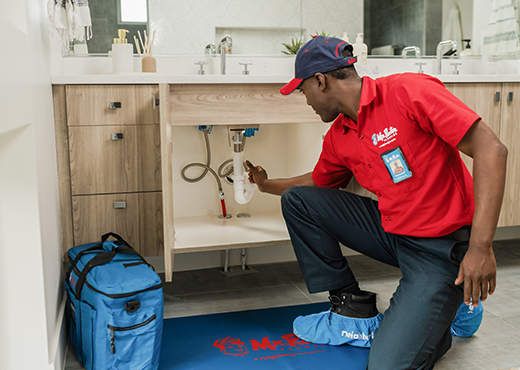
  • You'll have water every evening. The longest stretch without it is the changeover, and we tell you when that's coming so you can fill a kettle and plan the day. Floors along the working route are protected, and our plumbing service professionals keep their boots covered and their tools off your furniture. Openings are cut as small as the job allows and sized to take a standard-size piece of drywall, usually inside closets, behind access panels, and at fixture backs where paint lines won't show. Doorways get plastic sheeting to contain the dust, and bathrooms go out of service one at a time rather than all at once. Expect some daytime noise and a quiet house by dinner. Patching and painting are usually arranged separately, so agree who's doing that before the start date. At the end, the permit and inspection record sits on file with the city, which matters when you come to sell, because a documented repipe answers the very first question a buyer's inspector asks about a 1950s Los Altos house.

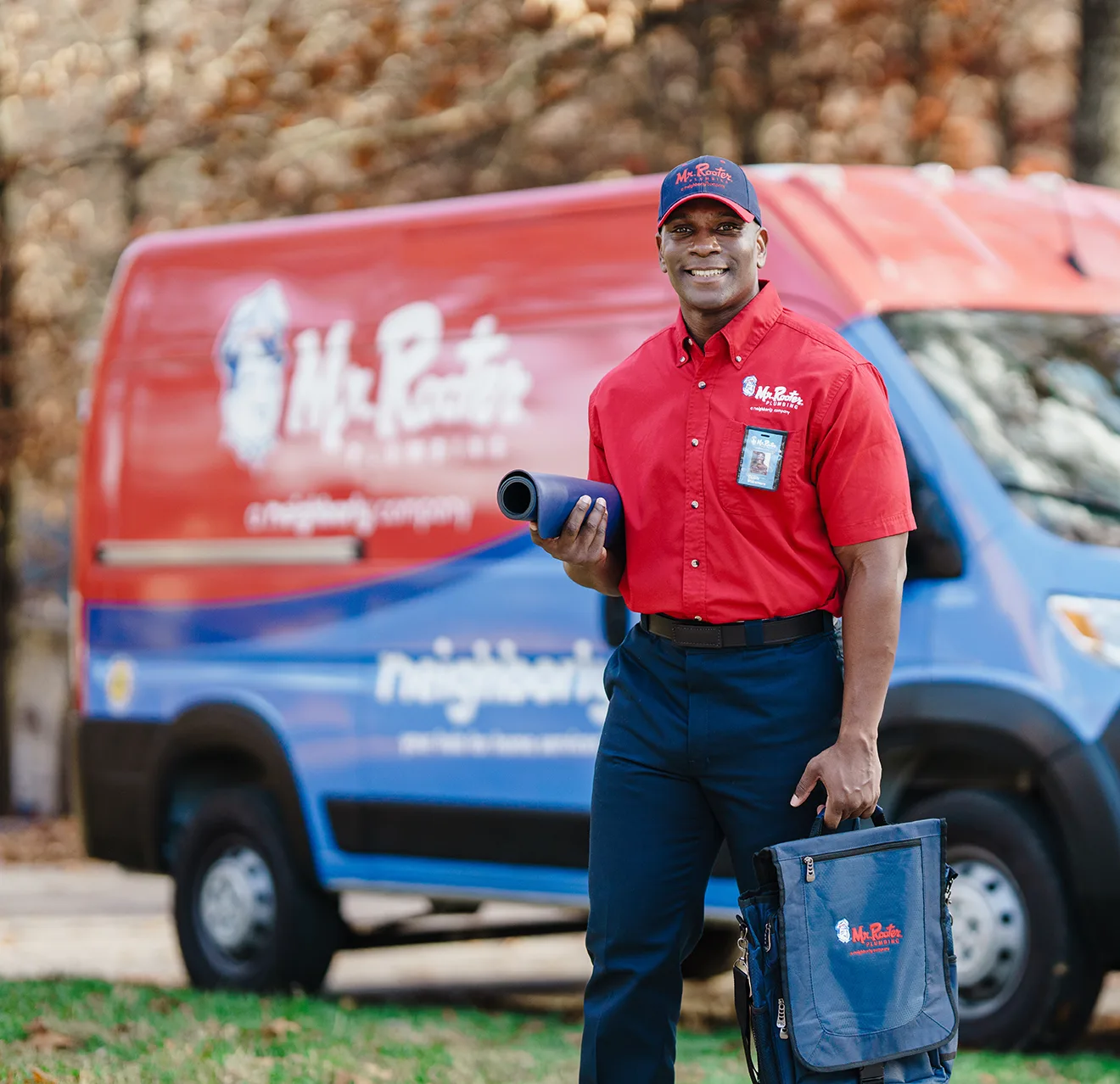
Mr. Rooter technician standing by a branded work van.

Why Los Altos Homes Reach the Repipe Decision

The same Census figures that put a third of Los Altos housing in the 1950s put another 2,267 homes in the 1960s, and plenty still run on their original supply lines. Those lines take their water from California Water Service's Los Altos Suburban district, which serves Los Altos and parts of Mountain View and Sunnyvale through 297 miles of pipeline, 65 booster pumps, and 46 storage tanks, in pressure zones that climb from the valley floor toward the foothills. Where your house sits in its zone sets the static pressure at your tap, and new pipe under old pressure just restarts the clock.

Here's how the repipe conversation starts. A homeowner in a 1960s Sunnyvale house near Mary Avenue and De Anza Park called us for a drain snake. The bill had gone up, and the customer suspected a leak. Adrian was already on site, so he did a complimentary check and confirmed a leak inside the home. We scheduled a leak inspection, traced it to a pinhole slab leak under the bedroom, and repaired it. One pinhole, repaired, is a repair. What we talk about on the way out is the rest of that copper: the same age, the same water, the same pressure. A second pinhole in another run is a system problem, and that's when a whole-house repipe goes on the table.

Not sure yet whether you've got a tired system or one bad fitting? Book leak detection first; it costs less and settles the question. A leak on the run from the meter to the house is a water line repair, not a repipe. The City of Los Altos permit and both inspections are ours to handle.
Our Whole House Repiping Process

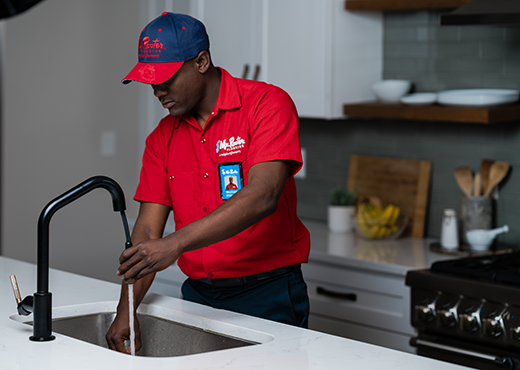
We don't price a repipe over the phone. The first visit is a survey: what the pipe is made of where we can see it, what the pressure reads at the taps, and where the earlier patches went in. You get our finding first: a repipe, a partial, or a targeted repair. If it's a repipe, we map the runs, mark every access opening with you in the room, and set the date. The price is flat rate and agreed before we start, so it isn't inflating as the job goes on. On the day, new pipe goes in run by run, the system is pressure tested, the City of Los Altos inspects it before the walls close, and we book the final inspection once the patching is done and every fixture is back on. Our plumbing service professionals cover the floors, keep their boots covered, and leave the house as tidy as they found it. The work is backed by the Neighborly Done Right Promise®, which ensures you'll be happy with the work. You can schedule service online, or contact your local Mr. Rooter team to book that first look at the system.

Our Whole House Repiping Process
Close up of a Mr. Rooter logo on a professional's red company shirt.
Service You Can Trust!

Let us know how we can help you today.

Mr. Rooter Plumbing of Sunnyvale Mountain View

Services We Provide

Repipe Questions Before You Commit

What Los Altos homeowners ask once they stop patching and start planning.

  • Count the leaks and where they were. One pinhole in one run on an otherwise sound system is a repair. Two or three in different parts of the house within a few years is the system telling you its age, and that's when repiping becomes the cheaper option.

Service You Can Trust!

Let us know how we can help you today.

Let Us Call You

By checking this box, I agree to opt in to receive automated SMS and/or MMS messages from Mr. Rooter Plumbing, a Neighborly company and its franchisees to the provided mobile number(s). Message & data rates may apply. Message frequency varies. View Terms and Privacy Policy. Reply STOP to opt out of future messages. Reply HELP for help.

By entering your email address, you agree to receive emails about services, updates or promotions, and you agree to the Terms and Privacy Policy. You may unsubscribe at any time.