Skip to Main Content Skip to Footer Content
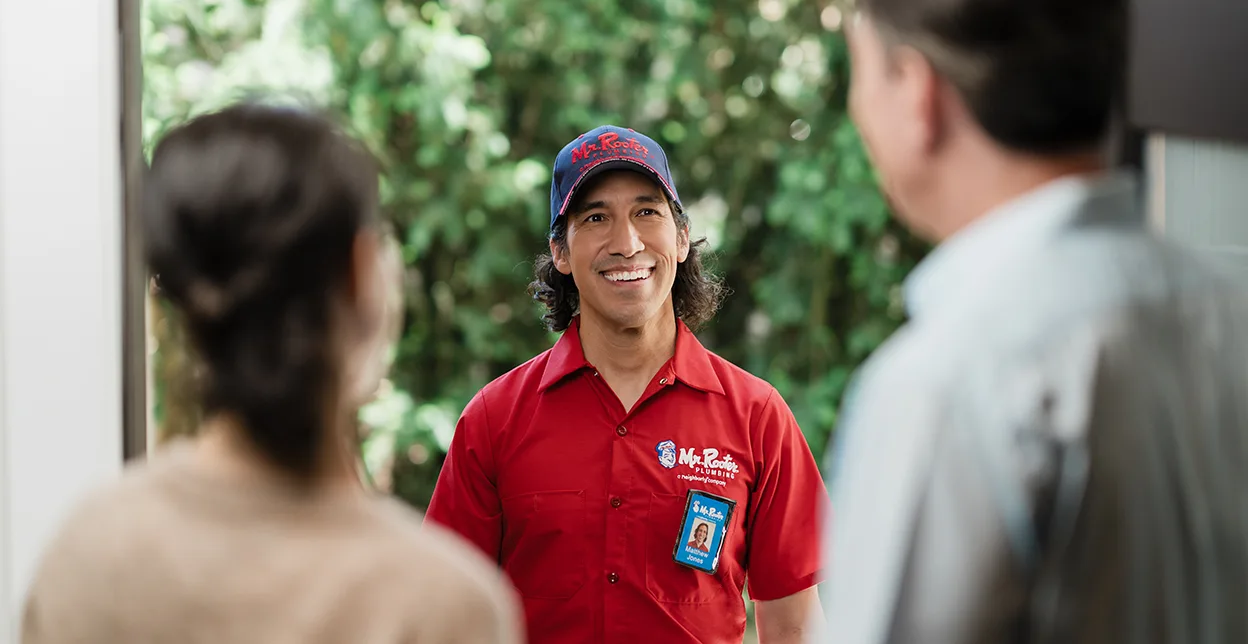
Smiling Mr. Rooter technician being greeted at a customer's door.

Plumbing Inspection and Diagnosis in Mountain View, CA

Know What the House Is Hiding Before You Sign

Water heating alone is about 20% of the average home's energy use, per the U.S. Department of Energy, and the heater is only one of the things that can be quietly failing in an older home. A plumbing inspection from Mr. Rooter Plumbing® of Sunnyvale - Mountain View checks the whole system, from the meter to the sewer lateral, and puts every finding in writing with a price beside it.

Let Us Call You

By checking this box, I agree to opt in to receive automated SMS and/or MMS messages from Mr. Rooter Plumbing, a Neighborly company, and its franchisees to the provided mobile number(s). Message & data rates may apply. Message frequency varies. View Terms and Privacy Policy. Reply STOP to opt out of future messages. Reply HELP for help.

By entering your email address, you agree to receive emails about services, updates or promotions, and you agree to the Terms and Privacy Policy. You may unsubscribe at any time.

  • We start where the water comes in. The main shut-off gets found, labeled, and turned, because a valve that hasn't moved in twenty years often won't move on the night you need it. Then we read the static pressure at a hose bib. Some homes sit well above the 80 psi that the plumbing code treats as the ceiling, and if yours does, we check whether a pressure-reducing valve is fitted and whether it still regulates. High pressure is the quiet cause behind dripping relief valves, banging pipes, and pinholes in copper. From there we look at what the supply is made of. Galvanized steel, early copper, and newer copper or PEX each age differently, and the mix in a remodeled house tells you which runs have been touched and which haven't. Under every sink we check the stop valves and the flex connectors, since those fail more often than the pipe behind them. A standard home inspection isn't required to measure flow and pressure. We do, because that one number explains most of what we find afterward.

  • The water heater gets more attention than any other single item, because it's the appliance that can flood a house. We note the age and type, check the seismic straps, and look for rust at the base, the flue connection, and the fittings. Then we follow the temperature and pressure relief valve's discharge pipe to where it ends. California's housing regulations call for that pipe to run to a point outside the building, ending between six inches and two feet above the ground and pointing down (25 CCR 834). A line that stops in the garage or drains into the pan isn't to code. Where the heater is gas, we check the flexible connector, the sediment trap, and the shut-off, and look over any visible gas piping for corrosion. A strap that's loose or missing goes in the report as a fix-now item, since it's cheap to put right and expensive to leave, and so does a heater that's past the age where the tank usually starts to go.

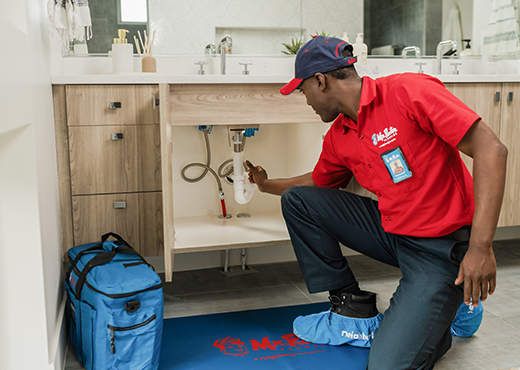
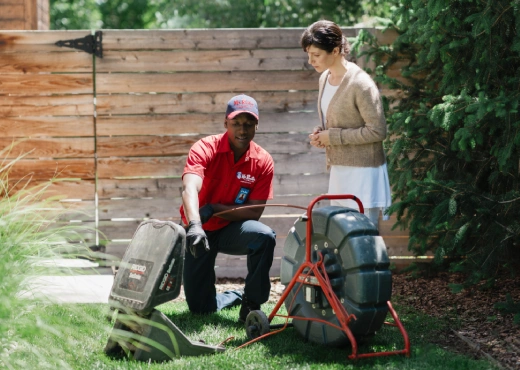
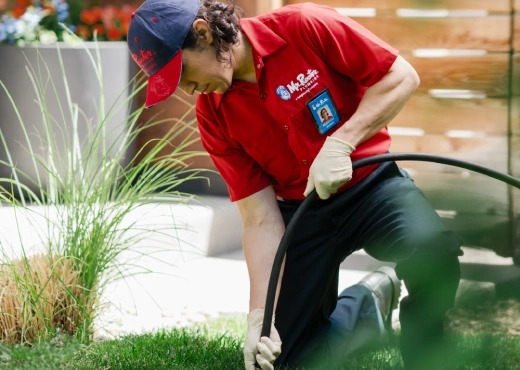
  • Every drain gets run and watched, with the water left on long enough to show a slow one. Slow drainage at one fixture is a local problem, slow drainage at several is a line problem, and the pattern tells us which before anyone reaches for a tool. We check every toilet for a flapper or fill valve that runs on its own, which is the usual reason a water bill creeps up. We look under every sink and behind the washer for drips and old water marks, and test the shut-off at each fixture. Then we go outside. On a pre-sale or pre-purchase inspection the sewer lateral matters more than anything indoors, because it's the one part of the house a buyer can't see and the one that's expensive to put right. We find the cleanout, run the camera through to the city main, and record the whole run. If the camera is all you need, that's a shorter job we do on its own. Here it's one line in a longer report, alongside the hose bibs, the outdoor shut-off, and the visible drain and vent piping in the crawl space or garage.

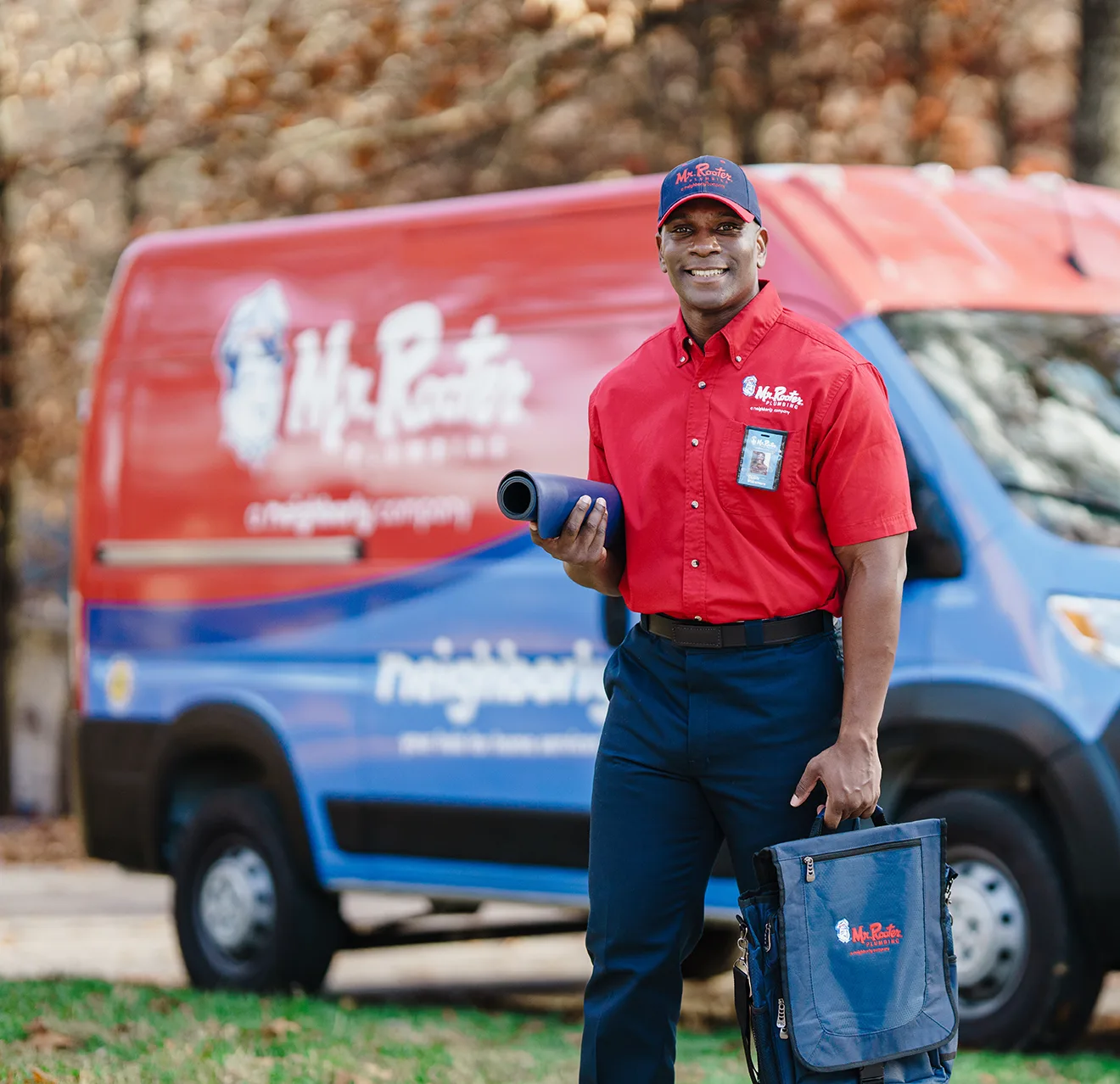
Mr. Rooter technician standing by a branded work van.

Pre-Sale and Pre-Purchase Plumbing Inspection in Mountain View

The city's Development Permits page requires a camera inspection of the property line cleanout and the lateral out to the main before it issues a building permit for a new home, a larger accessory dwelling unit, or a major remodel, with a City Wastewater Inspector on site and a color camera in the line. Realtors ask for the same inspection ahead of a sale. The city keeps the video, and its Public Works CCTV inspection handout gives the Wastewater Section two business days to post the results to the Land Development database.

That's the job a realtor called us out for recently, near Shoreline in Mountain View: a sewer lateral and property line cleanout CCTV inspection, from the cleanout to the city main. Our plumbing service professionals ran a first camera pass and found roots, so we recommended hydro jetting and did it the day before the city's inspection, coordinating the appointment with the city once the line was clean. On the day we ran a full color camera inspection with the Wastewater Section inspector watching, and handed over a USB of the footage for the city's records. Within two days the results go into the Land Development database for the owner to view.

At a single-story 1975 ranch house in Sunnyvale, near Belleville Way and West Fremont Avenue, we were there to install an emergency shut-off valve on the water heater and noticed the relief valve discharge wasn't to code. We ran a new line outside, so a leaking heater can't flood the house. That's what diagnosis is for: catching the thing nobody called about. Every finding goes in a written report with where it is, what we saw, how urgent it is, and a flat-rate price to fix it.
How Our Inspection Visit Runs

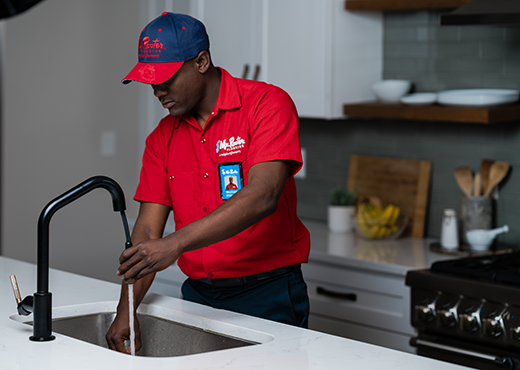
Tell us why you're booking, because a pre-purchase check, a pre-sale check, and a "something's not right" visit ask different questions of the same house. On site we work in one order: meter and main shut-off, pressure, supply material, water heater and relief valve, visible gas, every fixture and drain, then the camera through the sewer lateral. You're welcome to follow along. Nothing gets opened or dismantled without asking first. At the end you get a written report in plain words, with each finding rated by urgency and priced as a fixed figure for the job, not an hourly estimate that grows. If a hidden leak is suspected, we'll say so and point you to leak detection rather than guess. Our plumbing service professionals treat your house like a home, not a job site, and the work is backed by the Neighborly Done Right Promise®, which ensures you'll be happy with the work. You can schedule service online.

How Our Inspection Visit Runs
Close up of a Mr. Rooter logo on a professional's red company shirt.
Service You Can Trust!

Let us know how we can help you today.

Mr. Rooter Plumbing of Sunnyvale Mountain View

Services We Provide

Buyer and Seller Questions

Short answers for Mountain View, Sunnyvale, and Los Altos.

  • The ASHI Standard of Practice has a home inspector look at visible supply, drain, and water heating equipment and note the main shut-off, but it doesn't require measuring water pressure, filling fixtures to test for leaks, or running a camera through the sewer lateral. A home plumbing inspection does, and that's where the expensive findings usually are.

Service You Can Trust!

Let us know how we can help you today.

Let Us Call You

By checking this box, I agree to opt in to receive automated SMS and/or MMS messages from Mr. Rooter Plumbing, a Neighborly company and its franchisees to the provided mobile number(s). Message & data rates may apply. Message frequency varies. View Terms and Privacy Policy. Reply STOP to opt out of future messages. Reply HELP for help.

By entering your email address, you agree to receive emails about services, updates or promotions, and you agree to the Terms and Privacy Policy. You may unsubscribe at any time.