Apr 29 2025
Building your forever home is an exciting process, but constructing a new house is much more involved than just deciding on the finishing
Learn more
Building your forever home is an exciting process, but constructing a new house is much more involved than just deciding on the finishing
Learn more
{ "@context": "https://schema.org", "@type": "VideoObject", "name": "Mr. Rooter Plumber Answers a Question about Garbage Di
Learn more
If you’re an avid outdoor entertainer, you should install an outdoor sink to best utilize your cooking space. With an outdoo
Learn more
Are you about to take on that big plumbing project you have been putting off? One crucial step that some property owners overlook
Learn more
There is nothing quite like a beautiful yard filled with lush trees. Unfortunately, your home's plumbing may pay the price for hav
Learn more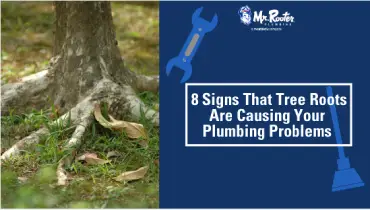
Dealing with a defective or damaged pipeline can be extremely frustrating. It is one of those problems that only ever seems to occ
Learn more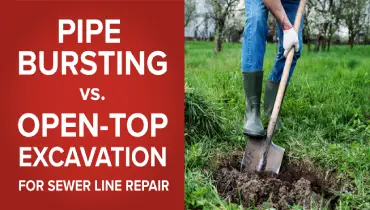
Since the original Mr. Rooter was founded in 1970, the company has remained committed to a set of core values that are rooted in performing quality work at honest prices. Nearly half a century later, the original Mr. Rooter business is still servicing homes and businesses in and around Oklahoma City. It’s still independently owned and operated with strong ties to the community that made it all possible.

Whether they carry water or waste, nobody likes the idea of clogged plumbing pipes. If plumbing water encounters a full or partial obstruction, that water will redirect itself and cause reactions that may include anything from backups and flooding to slow drainage and low pressure.
\nSome issues may cause minor headaches and hassle, while others inflict major damage and expense. Many people want to know how to prevent all types of clogged plumbing situations, or they seek solutions to some type of existing problem. More knowledge about the causes of clogged drains is the best insurance against mishaps and is always a great preventative measure to take against harmful blockage. What you know can then help to both avoid and identify problems.
\nIt seems like it should be a fairly simple task to find a drain clog and remove it, but fixing clogged pipes can be complex and involved, depending on where the clog is located, what it consists of, and what must be done to access and remove it.
\nSewer and water drainage systems in a house are configured a little bit like a tree and its branches. There’s a main line that’s usually the biggest in diameter, and sublines run off it that are typically a bit smaller in size. While the toilet is probably the most common place where clogs originate, they can start, build and disrupt function in and from any location in the system.
\nA blockage can build and lodge itself anywhere, but analysis will help narrow down the possibilities. You’ll be able to see what’s happening and what exactly the problem affects. If some part of the water or sewer main is clogged, the issue likely affects the whole household or building. If something is stuck in one of the sublines, whatever is happening will more than likely be isolated to one area or section of the building.
\n
Here are the most common causes of blocked drains:
\n
Tree roots are widely recognized as the number one cause of blockage and clogs in water and sewer mains. While it’s more common to find tree roots invading the pipes of older homes, the roots can find their way into systems of any age. Some experts say the first sign of tree root invasion into the sewer or water line is a gurgling sound.
\nAs living things, the tree roots seek moisture and are more or less naturally drawn to the water in waste and sanitary sewer pipes, especially if one has a crack or springs or some other kind of leak.
\nIf you live in a wooded area, or where there are many trees nearby, it’s important to be on the lookout for any tree root invasion. Some people decide to have a video inspection done every few years since the cost of the service is dramatically lower than addressing a neglected issue.
\n
Flushable wipes can be a detriment to the system. Some cities and other entities responsible for wastewater processing and management have begun to discourage people from using the supposedly flushable wipes. A 2015 report indicated that the City of New York had spent $18 million over five years to deal with all the wipes clogging up the wastewater system.
\nThese moist bathroom wipes, which have grown popular in recent years, have also prompted lawsuits over claims that the products disintegrate after they’re flushed. Allegedly, they don’t break up when flushed and are only called “flushable” due to their ability to physically fit into the pipe.
\nFrom small cities to the Federal Trade Commission, wipes and their impact on public systems have become a big deal — so much so that millions of dollars are said to be at stake, and public education campaigns are active in multiple states and cities. Some water treatment entities have dealt with the problem by buying expensive industrial shredders to process the wipes.
\nThe truth about thick toilet paper, paper towels, facial tissue, light cardboard, and other paper products is that they’re not made to be flushed down the toilet. Home and commercial plumbing systems have the capacity to accept and process water, human waste, and biodegradable toilet paper. That’s it.
\nFeminine hygiene products and baby diapers pose a danger to plumbing pipes because they do not biodegrade and contain cotton and other fibers that have a tremendous capacity to clog and attract other clogging agents. Neither are biodegradable, and both pose a threat to public and private systems alike.
\nThe sewer treatment contains microorganisms that break down the human waste, but they do not disintegrate anything but that — even when pad wrappers and tampon applicators may claim to be “flushable.”
\n
Fat, oil, and grease are enemies of plumbing and all its accessories. Another increasingly publicized movement is one to educate consumers about the benefits of keeping oily substances from going down the drain, where they can build up and cause clogs. Employees in a commercial establishment must have specialized training on what does and does not belong in the drain and public system, but people in many private places could benefit from the same knowledge.
\nWe like to think that most of us know better than to pour a pan of bacon grease down the drain or garbage disposal, but we may not think of some of the other things that contain fat, oil, or grease. For example trimmings from a steak or other meat, butter, vegetable oil, chocolate, cream, and more.
\nIt’s easy to think that water just washes everything along, but fats are sticky, binding substances that are prone to causing buildups and eventually clogs. The trash can is a far better place to dispose of fat, oil, or grease. Bacon grease and many other fats and oils can be left to cool and will solidify or congeal for easy cleanup. Another preferred practice is to pour the oil or grease into a disposable container and then toss it in the trash.
\n
Hair can accumulate to the point where it creates slow flow or total blockage. We can’t help that hair comes out of our heads naturally, but we can try to protect the drain as much as possible with small screens and good practices, such as sweeping the hair out of sinks and cleaning the hair brushes over the trash can.
\nWhen you see hair accumulate on the drain, or maybe hanging from it, use needle-nose pliers or work carefully with long tweezers to pull the hair out regularly, as opposed to letting it sit or wash down the drain. There are also a number of drain screens available that keep hair from going down the drain and make removal easier.
\n\nPipe scale is a product of nature that interacts with your pipes and can actually build to the point where you have a clog or blockage from the mineral deposits water leaves behind. Scale deposits usually result from dissolved calcium and magnesium and sometimes other metallic elements that are left behind as water flows.
\nThese particles react to temperature as well as constant wet-dry conditions. The scale begins to collect in one spot, which attracts more scale until it grows to an obstructive size. Not only does mineral scale build up inside pipes, but it can also affect other water-using appliances, such as clothes and dishwashers.
\nFood bits and chunks should be placed in the garbage — never in the sink, bathtub, or laundry drains. It especially should not be flushed down the toilet. None of these drains tolerate much of it, because that isn’t what they were designed to carry. Edibles can be sticky, stringy, sharp, or hard, none of which will be good in a water pipe.
\nWhile we’ll discuss garbage disposals in greater detail a bit later, know that certain foods are wholly incompatible with even powerful garbage disposal systems. The key to disposals is that they cut the material into tiny pieces that will travel through the drainage pipe without accumulation. Unfortunately, many of the foods we eat aren’t easily shredded.
\nThe disintegration of the pipes can happen, especially with older homes or homes that may have aging concrete, clay, or terra cotta pipes. Joints can come apart and drop and soil can erode away, which allows the pipe to sag.
\nWhere it freezes hard in the winter, there exists the possibility that pipes can shift under the continuous pressure and heave of the freeze-thaw process. Even with modern pipes that are usually made of super-hardened plastic, the damage is possible simply from natural soil shifts and seasonal changes.
\n
Nature sometimes works its way into sewer or water lines, especially where pipes have separated. Leaves, sticks, dirt, rocks, and even rodents can create blockages underground that are difficult to detect. Leaves are pervasive and efficient clogging agents, so it’s generally a good practice to keep the yard clear of them and definitely not wash them down the storm sewer drain.
\nWe’ve all seen a tiny weed sneak through the smallest of cracks, and any breach in the plumbing pipes is an opportunity for roots, plants, and soil to invade, build and end in blockage.
\n
Objects such as bar soap can break off in chunks and become lodged in the drain, as well as other things that should not end up in there, such as jewelry, children’s toys, condoms, dental floss, and food. Again, nothing but water, human waste, and degradable toilet paper should go down the system.
\nThe importance of that concept is proven by many articles and entire programs on “how to train” small, learning children and by numerous, humorous bathroom signs that remind adults to only deposit the basics.
\nCombinations of materials can also team up and stick together to form a big, gooey ball of blockage that leads to strange sounds, slow drains, and, eventually, backups. Soaps and detergents can build up, attract other materials and create a clog, especially in septic system drain fields.
\nThe recommendation from laundry experts is to use soaps that do not contain phosphates and which have natural (or no) surfactants, as opposed to ones developed from a petrochemical product. They also advise that those with a septic drain field pace the rate at which they wash clothes, instead of washing them one load after the other, so the system has time to work and doesn’t get overwhelmed.
\nThe slope of the sewer and water pipes must be correct, or it will cause drainage problems and possibly blockage. Gravity drives most of the functions of water systems, so it’s crucial that the pipes have the correct slope to flow properly. The standard pitch of any drainage pipe should be at least 1/4 inch per foot, and sometimes more if some other characteristics of the terrain or household demand more slope to properly process the water and waste.
\nUndersized sewer pipes can be the root cause of blockage and clogs. Unless you’ve been the sole owner of a property since its structures were newly built, it might be difficult or impossible to ascertain its complete plumbing history. Sometimes, people add onto a home or building without compensating for the added plumbing load, and there are plenty of instances where an unlicensed technician or inexperienced do-it-yourselfer miscalculated the system loads.
\n
The size of sewer drain piping used in a home or other building is determined by the number of water-using units, such as toilets, sinks, and bathtubs, that discharge to it. A widely accepted minimum standard for the main drain of a home is four inches in diameter, but many plumbers and consumers will go with one bigger than that based on household needs and usage.
\nOverload is also possible, even when the sewer main is properly sized — particularly if the household is on a septic system and its waste capacity has grown. The drain field and other workings of a septic system can become overwhelmed and fail to drain, which usually produces bad smells and/or backups.
\n Leaks
LeaksLeaks are an enemy of the sewer and main drains, because if water is leaking out underground, the soil will erode as well as become soaked, which will allow the pipe to drop, sag, or otherwise change position. The leaking water changes the chemical composition of the soils around it, so the pipe becomes displaced and may even break.
\nCat litter belongs in the trash and not down the toilet or any drain, and the same is true for dog waste in a bag. All kitty litter is made of clay-based material that can actually harden like concrete when it’s been wet and dry enough times. The litter pieces are sharp and can easily catch on other things, which only increases the chances of a clog.
\n\nModern plumbing concerns the many interconnected systems within a home that we rely on for comfort, convenience, cleanliness, and, to a certain extent, safety. Here are the main components of your plumbing system:
When any of these utilities cease to function, or don’t work as well as they should, this not only disrupts our comfort but may also cause enormous expenses if damage occurs. More good preventative actions we can take against clogs and their ensuing problems include keeping a watchful eye on all the systems and reacting quickly, rather than procrastinating or ignoring it, when one shows signs of trouble or substandard performance.
\nInspections, regular maintenance, and a general awareness of overall operations will help keep your plumbing systems running smoothly. A professional, knowledgeable, service-minded plumbing partner such as Mr. Rooter Plumbing of Greater Syracuse can give assistance with repairs and maintenance, as well as overall plumbing system service plans.
\nThere are two main types of drainage systems found in homes and buildings: those for water used by humans and those for water that falls as rain.
\nWe tend to think of wastewater as only what we flush down the toilet, but it also includes the used water from our washing machines, sinks, showers, and other water-using utilities and appliances. That water gets drained from each area of the house or other building to a house or main drain, which then routes it to either a private septic system or to a public wastewater treatment plant.
\nWater that falls as rain in urban areas usually runs into a storm sewer system that’s eventually routed to a water body, such as a lake or river, or sometimes a retention pond designed to hold and filter the water. In both commercial and residential settings, there can be private utilities for outdoor drainage, such as a dry well or catch basin, to help route and naturally filter stormwater.
\n
The stormwater and wastewater systems are typically separate, but there are conditions under which stormwater is also routed to a septic system or wastewater treatment facility. Since wastewater drainage pipes are buried beneath the frost line of an area, they’re required to have cleanout points every 50 feet. These usually consist of a capped piece of white pipe that visibly sticks out of the ground.
\nWhile most of us would agree that a sewage backup is probably the bigger nightmare, both stormwater and wastewater drainage systems can develop clogs and cause headaches.
\nClogs can develop in any part of the plumbing system, including drain blockage outside or inside. Some clues are more obvious than others, partly because so much of the system exists under the ground or in the walls where we don’t see it.
\nFor example, water spraying from a pipe joint or standing in the sink would be easy to spot, but it’s not as easy to determine why a drain has slowed over time or to discover the existence of an underground leak.
\nParticularly in the parts of the system that handle waste, our worst fear may be that water backs up and overflows from the toilet, septic, or sewer system. Clogged and blocked drainage systems most often cause this nightmare scenario, which would include possible damage to the sewage line, septic system or other components. The possibility of a mishap makes it even more practical to become savvy about drain blockage causes.
\n
To get to the cause, you first have to realize and detect the problem. There are several signs that might indicate you have a clog, or that one may be developing.
\n1. When water or sewage backs up into a toilet, sink, bathtub, or anywhere inside or outside, especially in low spots, such as basement toilets and showers.
\n2. When the drain makes a gurgling noise as other plumbing functions take place. Under normal circumstances, when the water flows unimpeded through the pipe, it shouldn’t make a lot of noise other than maybe a smooth-flowing sound. However, when there’s a clog in the sewer or water pipe, water hits it and releases oxygen, causing bubbles that make noise and even release smelly gases.
\n3. When the shower, tub or sink drains slowly — for example, if your feet are submerged during the shower.
\n4. When there’s poor pressure in parts or all of the system, which could be noticeable in the sink or shower and probably produce a weak toilet flush.
\n5. If the utilities that use water react to each other, such as the toilet making noise when the washer stops or starts.
\n6. When there’s a foul odor present, it sometimes means there’s a wad of goop or something accumulating within the drain. As you can imagine, whatever is causing the blockage probably doesn’t have a pleasant smell.
\n7. When water backs up in drains as other utilities are used.
\n8. When you run water in the sink closest to the toilet for a few minutes and it produces bubbles in the toilet, this can indicate that the problem is in the sewer main and not the toilet itself.
\n9. If the system becomes overwhelmed easily — for example, when only one utility at a time can drain well.
\n10. When water gathers around the floor drain in a basement, or there’s saturated soil or pooling water in the yard.
\n
Contact A Drain Cleaning Expert
\nThe list of things to do that may help reduce the chance of a clog or blockage could go on, but we’ve included some precautionary information that comes from a place of experience and is based on what plumbers see and treat in the commercial and residential service world.
\nThe subsurface cameras of today eliminate that concern since they can be placed into the system to see what we cannot, including the exact location and even composition of the troublesome clog or blockage.
\nIn the way of maintenance, there’s no clearer picture than a subsurface video inspection to make sure no cracks or other breaches have developed in any of the pipes. A thorough video inspection can help prospective home buyers to know that elusive plumbing history or help someone find and retrieve a lost item of value. Cameras have all but replaced all the digging, ripping, and disruption of past clog-clearing and problem-finding techniques.
\nThe accuracy of a video inspection eliminates guesswork and expense repairs since service or other attention can be directed to exactly where it’s needed. The camera can run through the entire system of pipes or look at a particular section. It can illuminate the area and pan around to show nearby conditions.
\nYou might consider placing lid locks on your toilets to keep out toys and all the other imaginative things young children decide to flush.
\nIt can also help to take precautions and place a lined trash can within arm’s reach of the toilet. This is a common feature in commercial settings, where customers expect to be able to change their children at a designated area and dispose of the refuse quickly and without fuss. Maintaining this standard in your bathroom will discourage anyone from being tempted to “just flush” a feminine hygiene product or baby diaper.
\nIn addition, place a plunger beside each toilet so it’s never far away when needed. Of all the ways a plumbing system can react to a problem, a toilet overflow is among the least-desired situations. If something weird does go down, it may be better to call a plumber right away rather than to plunge, which could just drive the object farther down the line or lodge it even more tightly in the pipe.
\nIf the object does manage to make it out of your pipes and into either the private or public system, it has the potential to cause damage that might have a high price tag.
\nIt might be a lever or wheel-type handle attached to the main water line in the basement, garage, or utility closet, depending on how a home is configured. Each individual home has a shutoff valve within it and usually somewhere outside, too — especially those with a public water supply.
\nMany times, you can learn where the main is located just by looking around and doing some logical testing after you turn the lever or handle, and in some cases, it’s conveniently marked “main.” If you look but aren’t sure about the water main location, a plumber or the local utility professionals can show you where it is and how to turn it on and off.
\nMost of the water-using appliances in a home or building will also have an individual cutoff valve so each one can be turned off individually, including toilets and sinks.
\n
 Disposal defense: It can literally pay to know what not to put down the disposal. Many food items — even “natural” ones — are tough and fibrous and may not shred the way you expect them to when you toss them in the disposal. Avoid the following:
Garbage disposals are nice to have, but some of us mistake them for trash cans that can pretty much take on anything. In reality, there’s a variety of things that the blades don’t chop well and are better going in a compost pile or the garbage.
\nClogs can also result from simply too much material at once being fed into the disposal, since it’s best to feed them gradually and let water run before, during, and after the operation.
\nThere are several techniques used to clean pipes and clear clogs, including winding snakes, augers, steam, and water pressure.
\nYou’ll also find many kinds of home remedies, both to clear clogs and to serve as a maintenance cleaning between professional cleanings (see DIY section toward the end). Various combinations of vinegar, lemon juice, and baking soda are recommended, and it doesn’t hurt to try any of these natural ingredients that have a bubbly, cleansing, chemical reaction when mixed together.
\nAn important point to keep in mind is this: Multiple applications of chemical drain cleaner should be avoided because too much of the harsh ingredients too often will degrade the inside of pipes and drains.
\nAn auger or a snake can be powered manually, electrically, or hydraulically. If you rent or borrow this tool, be sure it has enough power and feet of line to serve your needs.
\nIt’s also easy to take some of your water for a test to one of several entities that can tell you exactly what it contains. Many people like the peace of mind once a year from knowing that the water quality has not changed — especially consumers who are looking to treat their water.
\n
Beyond having a solid, basic knowledge of the plumbing system, there are a few things to try when you suspect a clog:
\n
Mr. Rooter Plumbing provides the full range of expertise and skills needed to assess and remove any kind of clog or blockage, as well as repair any damage the problem might have caused to the plumbing system. Our specialists are professional, licensed plumbers who are also certified by Onondaga County for plumbing leak detection or any plumbing-related project in a residential or commercial setting. We’re familiar with the codes in the Syracuse-Oneida local area, as well as state and other applicable rules.
\nWhether you suspect there’s blockage or you already have an issue caused by a known clog, Mr. Rooter Plumbing can help resolve the issue. The best preventative measure, of course, is good maintenance practices, because they save you money over time by prolonging the life of your system and helping to prevent breakdowns and expensive repairs.
\nWe make maintenance easy with a no-charge Plumbing Check Up, which consists of a professional visiting your house for an inspection. A general check of the system provides you with an assessment of its performance and will help to discover any issues or problems.
\nAlmost always, it’s best to find and fix problems sooner rather than later since they can worsen over time and incur even costlier repairs. Mr. Rooter Plumbing offers answers to any of your plumbing questions and all of your plumbing service needs.
\n
If you’re an avid outdoor entertainer, you should install an outdoor sink to best utilize your cooking space. With an outdoor sink, you can have faster and simpler food preparation and cleanup with fewer trips in and out of your home.
For the most functional outdoor sink, you’ll have a cabinet with a countertop installed beforehand, and the sink will have both warm and cold water supplies as well as a drain running to a dry well. In just one day, you can have an attractive and practical outdoor cooking space with an outdoor sink.
\nTo begin installing your sink, you’ll need the following tools:
\nTo begin, run a supply pipe that’s rated for outdoor use from inside the house. If you want to have hot water running outside, also insulate the piping. For better drainage, slope the pipes slightly, then install them with two-hole clamps every four feet or less. At this time, install the shutoff valves and drain plugs at the lowest points of the plumbing.
\nNow that the supply piping is in place, run it through the house wall toward the outdoor kitchen and up through the bottom of the sink’s base cabinet. Use thread adapters to connect the supply pipes to the sink. For a tighter seal, apply the plumber’s tape over the adapters.
\nFor a properly working sink, you'll need to install a drain pipe for the sink trap. Install the PVC drainpipe with an adapter to correctly connect it to the sink trap.
\nAt least 10 feet from your patio or deck area, begin digging a hole — sloped downward — for the drainage pipe to empty into a dry well. Dig a trench to the well sloping at a rate of at least 1/4 inch per foot. Run the PVC pipe drain line through the trench, the diameter of the pipe being at least one and a half inches.
\nDrill a slot for the drain piping in the side of a drain bucket as well as a grid of punch holes in the bottom, then place the drain bucket inside the hole. The top of the bucket should be two inches below grade. Now, install the drainage pipe into the hole, and fill the drain bucket with coarse gravel to assist with proper water drainage.
\nInstalling DIY plumbing projects at home can be tricky for inexperienced homeowners. For assistance and guidance in installing your outdoor sink, call the professionals at Mr. Rooter Plumbing. We specialize in a wide variety of residential plumbing projects and can help you install functional and dependable outdoor plumbing with the proper tools and precision needed for effective installation. Call us today to schedule your outdoor sink installation project, or complete our online form with any questions you may have.
\r\n"}, { "custom_dt_modified":"2025-04-29T09:54:34Z", "custom_s_local_url":"/greater-syracuse/about-us/blog/plumbing-permits/", "custom_s_opus_version":"2", "custom_s_heading":"Plumbing Permits", "custom_s_local_dba":"greater-syracuse", "custom_dt_created":"2020-02-26T00:00:00Z", "custom_s_category":"plumbing", "custom_ss_category":["plumbing"], "custom_s_article_summary_Image_url":"/us/en-us/mr-rooter/_assets/images/mrr-blog-us-greater-syracuse-plumbing-permits.webp", "custom_t_content_summary_Desc":"Are you about to take on that big plumbing project you have been putting off? One crucial step that some property owners overlook ", "custom_t_content_summary_Image_url_alt":"Mr rooter plumber", "custom_t_heading":"Plumbing Permits", "custom_t_content":"
Are you about to take on that big plumbing project you have been putting off? One crucial step that some property owners overlook is obtaining the appropriate permits. Several national plumbing codes exist, and most counties and municipalities have developed and implemented area-specific codes that supersede those at the national level. You will likely need a permit to ensure compliance with these regulations.
Obtaining permits for plumbing work is often a complicated, time-consuming process. Depending on the nature and scope of the project, you can also expect to pay permit acquisition fees that can range from a few dollars to $1,000 or more. Failure to obtain the appropriate permits is a violation of the law that can result in civil and, in some cases, criminal penalties.
\nWhile getting a plumbing permit can be a hassle and increases the cost of the project, the process serves an essential purpose. Plumbing systems are complex and often require skilled labor to ensure the proper execution of the job. Permits help ensure the work is safe and effective and meets your functional requirements.
\nWhile the requirements can vary from one location to another, expect the following types of plumbing jobs to require a permit:
\nNot all plumbing work requires a permit. You do not need one when making \"ordinary minor repairs\" that do not alter the existing plumbing system. A typical example is when you are repairing, maintaining, or replacing accessible fixtures, parts, and appliances. Another non-permit situation is when replacing or making emergency repairs to leaking or freeze-damaged piping less than five feet long.
\nIf your plumbing job requires a permit, you must obtain it before any work begins. If you are working with a licensed plumbing contractor, he or she can assist you. An experienced, professional plumber will be familiar with the process and often has a better understanding of how to cut through the bureaucratic red tape and get the permit more quickly.
\nIf you are considering a plumbing project in Greater Syracuse or elsewhere in Onondaga County, contact the professionals at Mr. Rooter Plumbing. You will receive prompt and reliable service from an experienced plumber who is licensed in Onondaga County for leak detection or any other plumbing-related project. We can also handle the plumbing permit process and remove the burden from your shoulders.
\nGive us a call or contact us online for more information or to request a free estimate.
\r\n"}, { "custom_dt_modified":"2025-04-29T09:53:32Z", "custom_s_local_url":"/greater-syracuse/about-us/blog/8-signs-that-tree-roots-are-causing-your-plumbin/", "custom_s_opus_version":"2", "custom_s_heading":"8 Signs That Tree Roots Are Causing Your Plumbing Problems", "custom_s_local_dba":"greater-syracuse", "custom_dt_created":"2021-08-05T00:00:00Z", "custom_s_category":"plumbing", "custom_ss_category":["plumbing"], "custom_s_article_summary_Image_url":"/us/en-us/mr-rooter/_assets/images/mrr-blog-us-8-signs-that-tree-roots-are-causing-your-plumbing-problems.webp", "custom_t_content_summary_Desc":"There is nothing quite like a beautiful yard filled with lush trees. Unfortunately, your home's plumbing may pay the price for hav", "custom_t_content_summary_Image_url_alt":"Tree with thick roots", "custom_t_heading":"8 Signs That Tree Roots Are Causing Your Plumbing Problems", "custom_t_content":"
There is nothing quite like a beautiful yard filled with lush trees. Unfortunately, your home's plumbing may pay the price for having those mature trees.
Your trees' complex root systems travel far in search of moisture, and tree roots can break your water and sewer pipes as they grow. Learning the signs of tree root damage to your pipes can help you identify the problem as early as possible and avoid serious plumbing problems.
\nIf you are not sure how to tell if you have roots in your pipes, here are eight common red flags to look out for.
\nSlow-flowing drains are usually the first sign that something is amiss. When you flush your toilet, if it drains slowly or gurgles, tree roots may have entered the pipes.
\nTree roots can seriously impact your plumbing, obstructing the flow of water to your home. If you experience a sudden drop in water availability or your water pressure is lower than usual, root damage could be to blame.
\nTree root damage to sewer lines can lead to bad odors both inside and outside your home. If it smells like rotten eggs in your basement or you notice an offensive smell in your yard, you could have a serious pipe blockage.
\nIf your toilet backs up, but nothing unusual has been flushed, a root obstruction could be causing your clogged pipes.
\nWhistling or banging pipes can be caused by water being forced through a smaller-than-usual opening. This could mean roots are obstructing your pipes.
\nIf tree roots have found their way to your pipes, they may be enjoying all the moisture they can get. This could lead to a sudden increase in your water bills despite normal water practices within your household.
\nIf water is leaking into your yard due to tree root damage, you may notice areas of your property that are beginning to sink in. There may also be puddles of water and other unpleasant substances in your yard.
\nIf one of your trees seems to be growing faster than the others on your property, or it is lusher or greener, it may be getting moisture from your pipes.
\n
Dealing with a defective or damaged pipeline can be extremely frustrating. It is one of those problems that only ever seems to occur at the most inconvenient times. Unfortunately, it is not something you can usually avoid, either. Sewer lines inevitably wear out over time, and the only thing that can be done is to repair or replace them. So what are some of the ways to deal with this problem as quickly and efficiently as possible?
There are two common options for sewer line repair: open-top excavation and trenchless sewer line repair methods such as pipe bursting.
\nBoth of these methods are popular. Which one is best for you to use? This will depend on your particular situation, the repairs needed, and your preferences.
\nWhile there are many different levels to this ongoing debate on the merits of trenchless vs. open-top excavation, it can often boil down to one of the essential factors involved — the trenches. In pipe bursting, the ground does not have to be dug up. Things can stay largely in place while the process is completed underground with two holes on either end of the repairs being the only digging that needs to be done. In open-top excavation, however, large trenches are dug down to and around the pipes so that the repair or replacement work can take place.
\nUnderstanding what pipe bursting involves is important to appreciate the benefits and limitations of this repair option.
\nPipe bursting is a method of repairing or replacing our sewer lines without digging trenches in the ground and wreaking havoc on your yard. It is not the only trenchless method, but it is one of the most popular options that avoid digging up the yard. The process works to replace the existing pipe without ever even disturbing the ground above the sewer lines.
\nThe sewer pipe bursting process involves creating two access points on either side of the existing pipe, then breaking the old pipe by pulling the new fused pipe through it. This method is quick, quiet and eliminates the need for city permits or lengthy excavation processes.
\nIf this were the first time you were hearing about a pipe bursting, you would be forgiven for being confused. How can you replace a pipe buried in the ground without first digging up the ground to access the pipe?
\nThe first trenchless methods were first introduced about 15 years ago as an alternative to the major inconvenience of trench-digging. Pipe bursting is not to be confused with pipelining - which is another type of trenchless sewer line repair but involves a different process.
\nThe pipe bursting process uses the infrastructure that already exists underground in the sewer lines. This equipment acts as a guide for installing the new pipes with little to no disturbance to the surrounding ground. The existing pipe is replaced with either a pneumatic hammer or a static pulling head. The old pipe is then broken up and shifts outward into the surrounding soil. The space this old pipe used to inhabit is then filled by the new pipe.
\nBecause this is a matter of one pipe simply sliding into the newly vacated space left by the old one, it is most common to exchange one pipe for another of the same size or to upgrade the size slightly. Larger size upgrades are possible, but they will require more preparation and additional work for correct execution.
\nTypically, this entire process is completed in three distinct steps that are each crucial for the transition of pipes to go smoothly and successfully. To help you gain a fuller picture of how this process works, we will take a quick look at each step now.
\nDuring this step, the necessary machines are set up and put into place. The bursting rods — the tools that do the actual breaking of the existing pipe — are installed. Through the use of the flexible guiding rod, these bursting rods are fed down into the ground and to the existing pipe. The power source is set up.
\nIn this phase, the pipe launch pit will need to be dug. It is not a full trench like the kind you would see if you were doing traditional open-top excavation, but you will need to dig a little bit to get the new pipe into the ground. The new pipe will be put into the launch pit along with the expander that will help guide it into the old pipe’s space and fit correctly.
\nThe cutter will also be installed and the bursting rods secured in place. By the end of this stage, everything is ready to go. The pipe bursting itself can now actually begin.
\nDuring this part of the process, the bursting rods and cutting rods work together to break apart the existing pipe, which is then dispersed into the surrounding soil. The new pipe, led by the expander, is immediately pulled down into the ground to fill the space left by the old pipe. After this is complete, the additional equipment can be removed, packed up, and taken offsite. The process is completed at this point, and a brand new pipe has been installed where the old and faulty one used to be.
\nThe two small pits can then be filled in and normal activity can resume in the household or business.
\nNow that we know a little bit more about what this process looks like and how it works, we can look at both the good and the bad. Keep in mind that all pros and cons are weighted differently. What might be an enormous red flag for someone else might not be a huge concern for you. Likewise, what might be a huge positive for you might barely be a factor for someone else.
\nHere are just a few of the benefits that pipe bursting offers home and business owners.
\nYes, most pipe-bursting operations will still require a small amount of digging. The pipe launch pit will need to be created, which will require a small amount of ground disturbance. However, it will be nothing compared to the enormous trenches dug for traditional open-top excavation operations. When you choose pipe bursting as your trenchless pipe replacement method of choice, you are helping ensure that your yard remains relatively undisturbed. It can also prevent the need to dig up the street and sidewalk outside your home and pay for those repairs as well once the job is over.
\nThis lower ground disturbance also usually means a shorter working time. It means less work in re-seeding grass over the operation site. It means less time waiting for the grass to grow back in over the sewer line and less time staring out at the unsightly site where the operation took place.
\nOnce your ground has been dug up, it is not always easy to get it looking healthy and green again. This restoration does not just happen overnight, and it certainly does not happen for free. It costs money to repair your yard and any other disturbed landscaping. It is also going to cost you time and labor, as you will need to spend hours over the course of several months working to repair the damage.
\nFor this reason, sewer pipe repair methods that do not involve digging might be preferable. Any restorative work you have to do will be minimal.
\nOf course, no matter how wonderful and convenient pipe bursting is, nothing is entirely without its downsides. Here are a few of the possible objections to pipe bursting.
\nAlthough you will certainly save both time and money in the area of restorative work when you choose pipe bursting, you are likely to pay more upfront. While every project will be different, trenchless methods of pipe repair and replacement typically cost more than open-top excavation methods. On average, they can cost anywhere from 30 to 50 percent more than the open-top options.
\nThe reason for this higher price tag is the very in-depth procedures involved with pipe bursting. Simply opening up the ground and digging a trench is much easier and requires much less expensive and complex equipment.
\nOn average, you can expect the cost of pipe bursting to amount to around $60-$200 per foot. This total can amount to about $20,000 on your final bill. While the pipe bursting process is easier, you should be aware of the cost and whether it's the best option for your budget.
\nThere may be some circumstances in which it is simply not possible to replace the old pipe with trenchless methods. Sometimes, this issue may be because there are nearby utilities that need to be protected. Other times, it may be that the pipe in question is too damaged and corroded for this method to work correctly.
\nIn cases like these, the only choice may be to dig the pipe up via traditional excavation methods.
\nPipe bursting is a great way of replacing your sewer lines, especially if you are looking for ways to do so without disrupting the ground around the site in question. By choosing pipe bursting, you will not have to go through months of rehabilitation for the worksite.
\nAlthough this method does tend to cost slightly more than regular digging methods, it is important to weigh this factor against the knowledge that you will also save money by not having to restore the work site. A downside is that this method is not always possible depending on your exact circumstances.
\nWith a solid understanding of pipe bursting and how trenchless sewer repair works, let’s now take time to consider the other possibilities. Open-top excavating is an alternative to pipe bursting and used to be the only method for repairing sewer lines.
\nOpen-top excavating is another process of either repairing or replacing damaged or faulty sewer lines. As the name suggests, this process involves digging these pipes up and excavating them in order to more fully access them. The way the earth is removed from the top of these pipes leads to the phrase \"open top.\"
\nThis process is how sewer line servicing was traditionally completed. Although trenchless methods have since been developed, these excavating methods are still used by many professionals.
\nOpen-Top sewer line excavation method is fairly easy to understand and it works quite as expected. Heavy digging equipment is brought onsite, and the contractors carefully dig up the sewer line in question, being careful not to damage it any further than it already is. Because the hole is usually dug along the path of the sewer line, it typically results in a long trench through the property.
\nThe dirt from these trenches is displaced to the side of the worksite, and the sewer lines are laid bare for the workers to easily access, service, and replace if necessary. Whether there are only repairs that need to be made or the entire pipeline needs to be replaced, this method allows the workers to see what they are working on and fix the problems while not creating more issues in the process.
\nNow that the pipes and sewer lines are exposed, the real work can begin. From this position, any necessary repairs are made and any defective parts of the line are replaced. If the entire pipe needs to be replaced, the work can be done from this position as well. The odds are good that if the entire length of pipe needs to be replaced, a larger trench will need to be dug so that the workers can better reach the ends of the pipe in question and connect the new one properly.
\nUnderstanding how to dig a sanitary trench for your sewer excavation procedure will ensure that the process is safe and cost-effective. The process starts long before the actual excavation. You will begin by calling your local utility location service and Digline, which is legally mandatory for any U.S. citizen who wants to undertake a project like this.
\nOnce you have called and located all of the cables that provide your area with underground water, communications, gas, and electricity, you need to apply for a permit to dig. The permit ensures you will get the job done correctly and avoid mishaps. Next, you will locate the sewer line, ideally with a video camera inspection that gives you an accurate understanding of how far your sewer runs and where you need to dig to access it.
\nAs you plan a route that incurs minimal damage, you should also determine how deep you want the trench to go. On average, residential sewer lines range from being as shallow as 30 inches to as deep as six feet in colder areas to avoid potential freezing.
\nUnderstanding the soil type you will be digging in lets you know if you may need extra precautions. If your sand is loose and sandy or too wet, for example, you may need to shore it to give the trench sides enough structure to avoid collapse or de-water it for less muckiness.
\nOnce you start digging, get rid of the tree roots and other obstructions. Then, you'll need to find the sewer line problem, replace the pipe, and complete the project by covering the trench back up.
\nOpen-top repair work is no different than any other method when it comes to positives and negatives. It is a mixed bag of both advantages and disadvantages. Understanding the pros and cons of each option will help you to determine which one is right for you and your situation.
\nWhat advantages does Sewer Line Excavation offer that other methods simply do not?
\nIn our discussion of trenchless methods, we mentioned that they were the more expensive option in most cases. The opposite side of that fact is that traditional trench repair operations will usually be a cheaper option. If your budget is a little tight but you absolutely need this repair job done, there is good news. Open-top excavation tends to be the less expensive option.
\nThis point refers to the fact that there are several different situations where trenchless operations simply are not possible — whether that is because there are other utilities too close by or the pipeline is too damaged.
\nOpen-top excavations do not suffer from this same problem. No matter how damaged a pipeline is, it can be removed through excavation. There is also little room for worry about inadvertently striking other utility lines because the ground is open and the workers can physically see what they are doing.
\nIn the process of pipe bursting, the original pipe is still left in the ground, albeit shattered and broken. While this is not necessarily a bad or harmful thing, some property owners may feel uncomfortable with the fact that the remains of the old pipe are buried alongside the new sewer line. With traditional sewer line excavation techniques, however, this is not a concern. The entirety of the old pipe is removed and replaced with a new, sturdy pipe.
\nOpen-top excavation is not a perfect process, and there are a few negatives to it as well.
\nDigging a large trench across your property is not a small action. While the workers will close the trench back up when they are done, the action is by no means erased. It can take months or even longer for the resulting damage to heal. You will need to work hard to repair landscaping and encourage grass and plants to return, and it will be weeks or even months of staring at bare patches of dirt until then.
\nIt takes a lot of work to bring your yard back to the way it was before it was dug up, and this work is not cheap. In many cases, you may even have to hire more workers to come in and fix the damage that was done to your property and landscaping, which results in high reconstruction costs that could be avoided by choosing less invasive repair methods.
\nOpen-top sewer excavating is a way of repairing or replacing the pipelines running beneath your property. It involves digging long trenches in the ground and accessing the sewer lines directly. Because the process is quite straightforward when compared to trenchless options and does require sophisticated pipe-bursting technology and equipment, this process is often cheaper.
\nHowever, the downside of choosing this method is that your yard will be dug up, and will take long periods of time and a lot of money before it is back to the way it was before. If aesthetics and timeliness are important to you, it might be better to choose a trenchless option.
\nWhile the pipe bursting method might not be right for everyone, the convenience of experiencing minimal invasion into your yard is impossible to deny. If you have decided that this is the method you will use to service your sewer lines, the next step is simple. You will need to find a company of service professionals to work with.
\nIf you live in the Greater Syracuse area, we here at Mr. Rooter of Greater Syracuse would be delighted to help you with your planned pipe-bursting operation. We are licensed plumbers that have over 40 years of experience helping clients just like you.
\nWhen you choose to work with Mr. Rooter, you will get to experience our exceptional customer service, upfront pricing and convenient appointment times. We may be a locally owned and operated business, but we are experts in the field, and we pride ourselves on treating our customers in a courteous and friendly manner.
\nIf you are ready to get started working with Mr. Rooter today or have questions about our trenchless sewer line repairs, we would love to hear from you. Contact us online today, or give us a call. We look forward to working with you!
\r\n"}] }}