Water heater leaking from bottom causes usually come down to a few things. The most common are a loose drain valve, a leaking pressure relief valve, or a tank that has corroded from the inside. Some leaks are simple, cheap fixes, while others mean the whole unit needs to be replaced. The key is finding where the water is actually coming from. For homeowners in Coeur d’Alene, where hard water speeds up sediment and corrosion, a bottom leak is a sign to act fast before it turns into water damage.
Water Heater Leaking From the Bottom Causes
A puddle under your water heater does not always mean the tank has failed. In many cases, the leak starts higher up on the unit and runs down the sides before collecting on the floor.
Find the Real Source First
Common causes include a loose drain valve, a leaking temperature and pressure relief valve, worn pipe connections, condensation, or internal tank corrosion. The right fix depends entirely on which one you have.
Leaks from valves and fittings can often be repaired. But if the tank itself is leaking, replacing the unit is usually the only permanent answer. This is why finding the source is such an important first step in any water heater repair.
A Quick Way to Locate the Leak
Dry the area around the base of the tank completely. Then lay some paper towels on the floor around and under the unit and check them after about 15 minutes.
If the paper is wet near the drain valve, the valve is the likely culprit. If it is wet underneath the tank or along the bottom seams, the tank itself may have failed. This simple test tells you a lot before you call anyone.
Why Is My Water Heater Leaking From the Base
Why is my water heater leaking from the base usually comes down to one of two valves before you ever get to the tank itself. Both are common and often repairable.
A Loose or Worn Drain Valve
Every tank water heater has a drain valve near the bottom, used for flushing sediment out of the tank. Over time, this valve can loosen or its internal washer can wear out, which causes a slow drip.
This is usually the easiest leak to fix. Tightening the valve gently with a wrench often stops the drip. If the valve itself is damaged, it can be replaced without replacing the whole unit.
Replacing a drain valve is inexpensive, often around 30 dollars for the part. The job does require draining the tank, so many homeowners prefer to have a professional handle it to avoid a bigger mess.
The Temperature and Pressure Relief Valve
The temperature and pressure relief valve, or T&P valve, is a safety device on the side or top of the tank. It has a discharge pipe that runs down toward the floor.
When pressure or temperature inside the tank gets too high, this valve opens and lets water out through that pipe. The water then pools near the bottom of the heater, which can look like a bottom leak.
When the T&P Valve Signals a Bigger Problem
A T&P valve that releases water once in a while is doing its job. But a valve that drips constantly can point to high water pressure, a faulty valve, or an overheating tank.
In a closed-loop system, a failing expansion tank can also push extra water through the T&P valve. Replacing the valve or adding an expansion tank is usually an easy repair for a professional.
Leak at the Base of the Water Heater Tank From Corrosion
A leak at the base of the water heater tank that does not come from a valve or fitting usually means internal corrosion. This is the most serious cause and the one homeowners worry about most.
Tank water heaters have a glass-lined steel tank that slowly corrodes from the inside, especially when sediment builds up at the bottom. Once corrosion eats through the lining, water seeps out through the metal.
Loose or corroded fittings where copper pipes meet the steel tank can also leak. These connector pieces corrode faster than either metal alone, and repairing one usually costs between 50 and 200 dollars depending on how easy it is to reach.
Unlike a leaking valve, a corroded tank cannot be patched or repaired. Signs include rust on the outside of the tank, rusty hot water, popping noises, and a unit that is more than 8 years old. At that point, replacement is the only real fix. Our residential plumbing services can help you choose and install a new unit.
When Water Pooling Under the Water Heater Is Just Condensation
Sometimes water pooling under the water heater is not a leak at all. It is condensation, which is more common with newer high-efficiency units and during colder months.
Condensation forms when cold water inside the tank meets warm, humid air around it. Small droplets collect on the outside of the tank and drip to the floor, which can look just like a leak.
A little condensation is usually harmless. But if you see a lot of it, it could point to poor insulation or a system that is working too hard. Drying the tank and watching for where new moisture forms helps you tell condensation from a true leak.
Water Heater Dripping From Bottom Fix
The right water heater dripping from bottom fix depends on the source, but the first steps are the same no matter what is causing it. Acting fast protects your home from water damage.
First Steps to Take Right Away
As soon as you spot a leak, take these steps in order:
- Turn off the power at the breaker for an electric unit, or the gas valve for a gas unit
- Shut off the cold water supply valve located above the water heater
- Mop up any standing water to prevent damage and slipping hazards
- Dry the tank and use paper towels to find where the water is coming from
- Take a photo of the leak and the unit label in case you need a replacement
Repairs Versus Replacement
If the leak is from the drain valve, the T&P valve, or a loose fitting, these are usually repairable. Our plumbers can swap out the part and keep your current unit running.
If the tank shell itself is leaking, repair is not an option and the unit must be replaced. Most tank water heaters last between 8 and 12 years, so age is a big clue about which path makes sense.
A leaking valve might be a 30 dollar fix, while a failed tank means a full replacement. That is why finding the true source of the leak is worth the extra few minutes before you decide what to do.
Is a Leaking Water Heater Dangerous
Is a leaking water heater dangerous? It can be, especially if the leak is ignored. A small drip is not always an emergency, but leaving it alone invites bigger problems.
An untreated leak can lead to water damage, mold growth, and electrical hazards. On a gas unit, water dripping onto the burner can disrupt the pilot light or corrode the gas line.
How serious the leak is depends on where it is coming from and how much water is escaping. A slow drip from the drain valve is far less urgent than water pouring from the tank seams.
The most serious risk is a tank burst. A corroded tank under water pressure can fail suddenly and release dozens of gallons of hot water into your home. If water is actively pooling or coming from the tank itself, treat it as an emergency and call our emergency plumbing team right away.
How to Prevent Water Heater Leaks
Most bottom leaks trace back to sediment and corrosion, and both can be slowed with simple maintenance. A little care goes a long way toward avoiding a costly replacement.
Flush your tank at least once a year to remove the sediment that causes hot spots and corrosion. Have the anode rod inspected every two to three years, since a worn rod leaves the tank unprotected.
Replacing a worn anode rod costs only about 20 to 50 dollars and can add several years to the tank’s life. A quick visual check of the base and connections every few months also catches small leaks before they grow.
Test the T&P valve once a year by lifting the lever briefly to confirm water flows and the valve reseats. Installing a drain pan under the unit also catches small leaks before they reach the floor. For businesses, regular commercial water heater maintenance keeps larger systems leak-free.
Should You Consider a Tankless Upgrade
If your water heater is leaking from the tank and needs to be replaced, it is a good time to think about going tankless. A tankless unit has no storage tank to corrode and leak.
A tankless water heater heats water on demand and takes up far less space than a bulky tank. It also tends to last longer, which can make it a smart long-term choice for many homes.
Tankless units cost more upfront, but they remove the risk of a tank rusting through and flooding your home. For homeowners tired of worrying about a leaking tank, that peace of mind can be worth the investment.
Why Coeur d’Alene Water Heaters Leak
Coeur d’Alene’s moderately hard water, at around 106 parts per million, is a big reason local water heaters develop leaks. Those extra minerals settle as sediment and speed up corrosion inside the tank.
The area’s cold winters also push your water heater to work harder, which adds stress to an aging tank. Many local homes have older units that are already past the halfway point of their lifespan.
Staying on top of flushing and maintenance helps local homes get the most out of their tanks. Businesses in the area can keep their systems protected with our commercial plumbing services.
When to Call a Professional Plumber in Coeur d’Alene
Some water heater leaks are simple to handle, but many call for our licensed plumbers. Reach out for professional help if:
- Water is coming from the bottom or side seams of the tank itself
- The leak is steady, growing, or pooling on the floor
- Your water heater is more than 8 years old and showing signs of rust
- The T&P valve is dripping constantly or your water pressure seems high
- You are not comfortable working around the gas line, electrical parts, or hot water
Our plumbers can find the exact source of the leak, make the repair, or install a new unit if the tank has failed. For businesses running tankless systems, our commercial tankless water heater service keeps hot water flowing without a hitch.
Act Fast When Your Water Heater Leaks
A water heater leaking from the bottom is always worth a closer look. Sometimes it is a quick drain valve fix, and sometimes it means the tank has reached the end of its life. Finding the source early is what keeps a small drip from becoming major water damage.
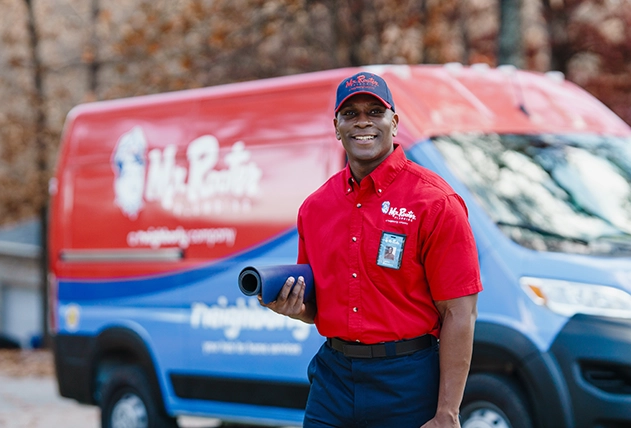
Coeur d’Alene’s hard water and cold winters make bottom leaks a real risk for local homes. If you spot water pooling under your water heater, our licensed plumbers at Mr. Rooter Plumbing of Coeur d’Alene can find the cause and get it fixed right.